Locate the likely source
Use timing, plumbing layout, meter behavior, accessible checks and targeted instruments to focus the investigation.
Leak detection in Studio City for water inside walls, ceilings, floors, slabs, bathrooms, kitchens and lower levels. We connect the leak source with the moisture that remains so repair and mitigation are based on the whole path—not just the first stain.
Useful details when you call: which room is affected, when the symptom changes, whether the meter moves, and what plumbing or room is above the area.
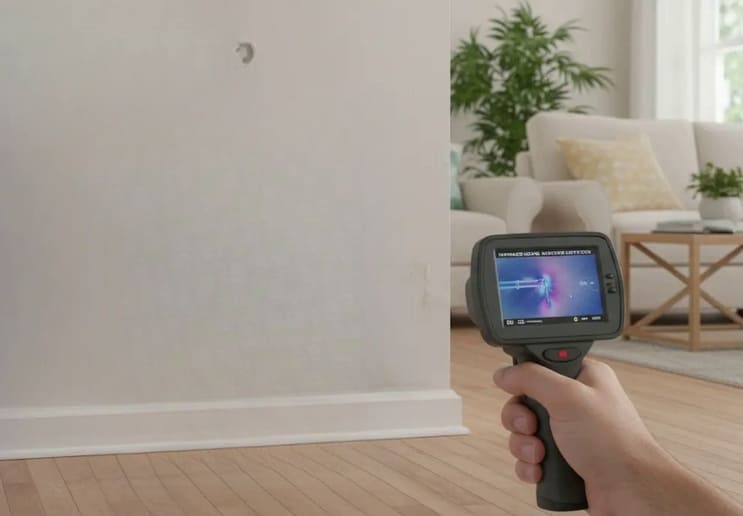
A useful water leak detection service in Studio City does not stop at saying that something is wet. It organizes the problem into source, spread and response.
Use timing, plumbing layout, meter behavior, accessible checks and targeted instruments to focus the investigation.
Compare wet and dry materials to see where water traveled through walls, ceilings, floors or built-ins.
Control active water, define access, remove standing water and plan drying or selective removal where needed.
Leak detection services in Studio City cover concealed plumbing, finished rooms, below-slab symptoms and water damage that needs a coordinated response.
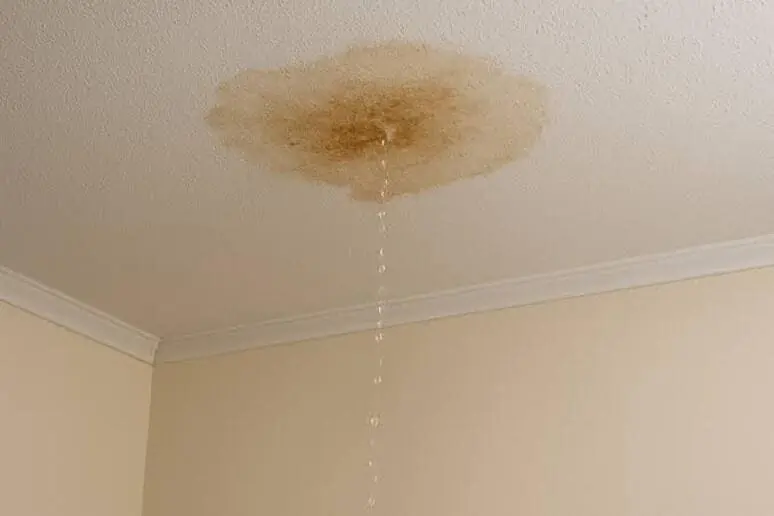
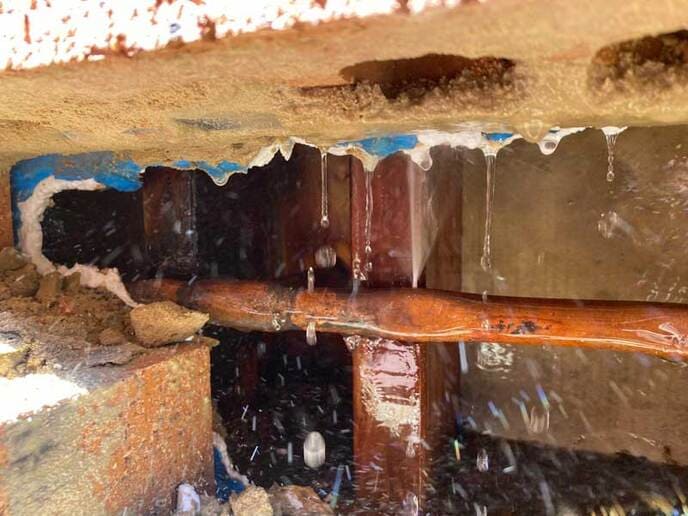
Locate concealed supply and plumbing leaks associated with unexplained meter movement, wet finishes or water sounds.
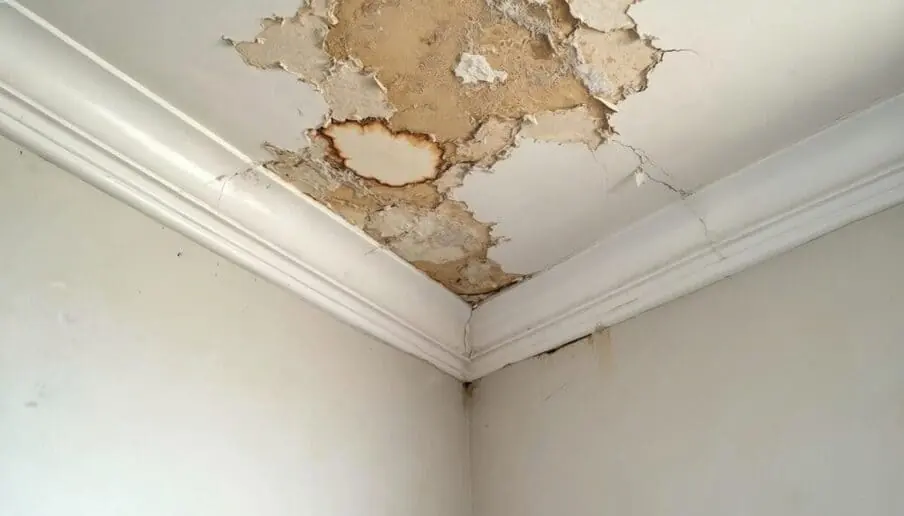
Trace damp drywall, softened trim, bubbling paint and moisture that may have moved inside a wall cavity.
Investigate plumbing, bathrooms, appliances, drains and roof paths above an interior ceiling symptom.
Assess signs of water loss below concrete, including warm floors, sound, damp edges and a meter that continues to move.
Check fixture supplies, valves, fittings, drains, water heaters and appliance connections inside the property.
Evaluate toilet connections, tubs, showers, pans, valves, drains and water showing in adjoining rooms.
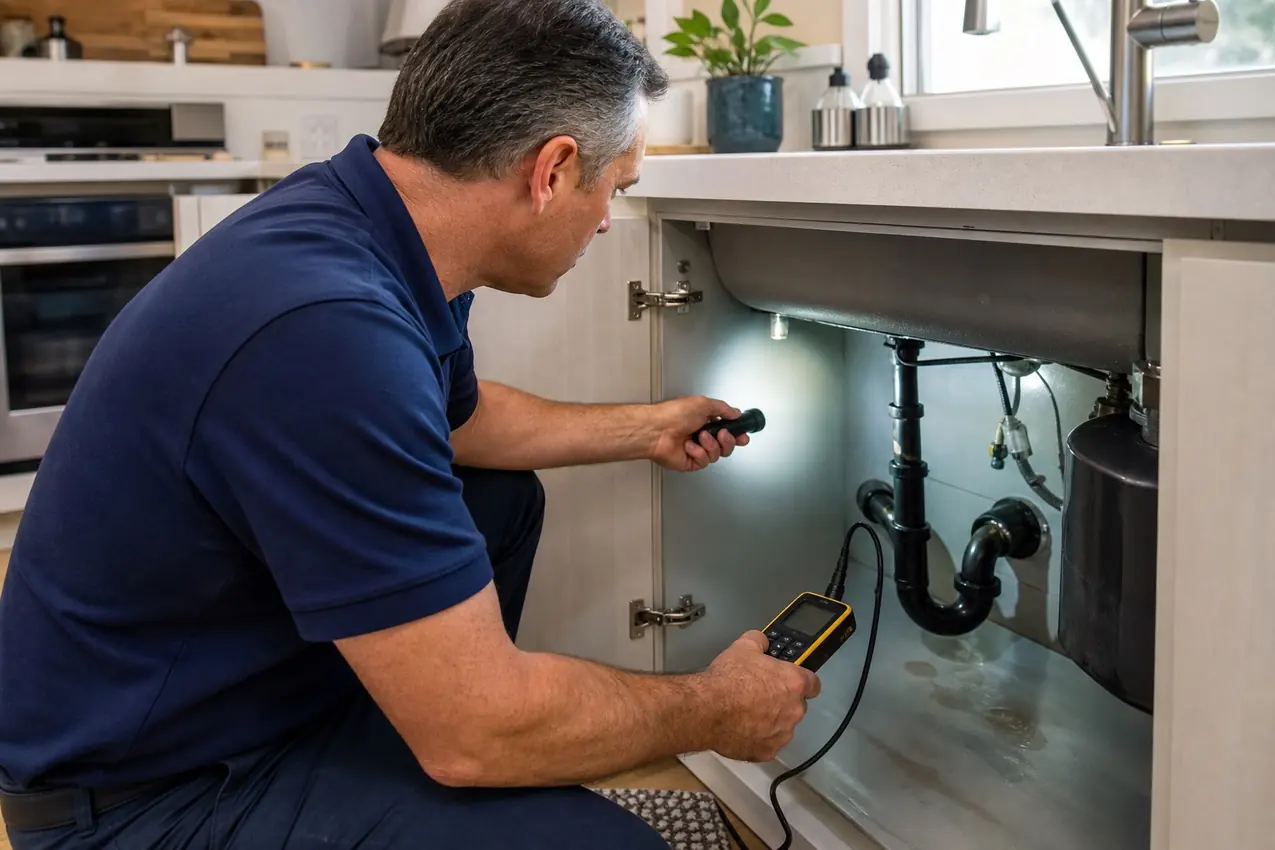
Inspect sinks, faucets, disposals, dishwashers, refrigerators, cabinetry and plumbing behind finished walls.
Outline affected drywall, flooring, subfloor, trim, cabinets and insulation using comparative readings.
Separate plumbing leaks and water paths affecting lower walls, floor edges, utility areas and finished rooms.
Map ceiling and wall evidence that appears with weather and relate it to roof transitions or penetrations above.
Document the spread beyond the obvious stain so the restoration scope follows the actual water path.
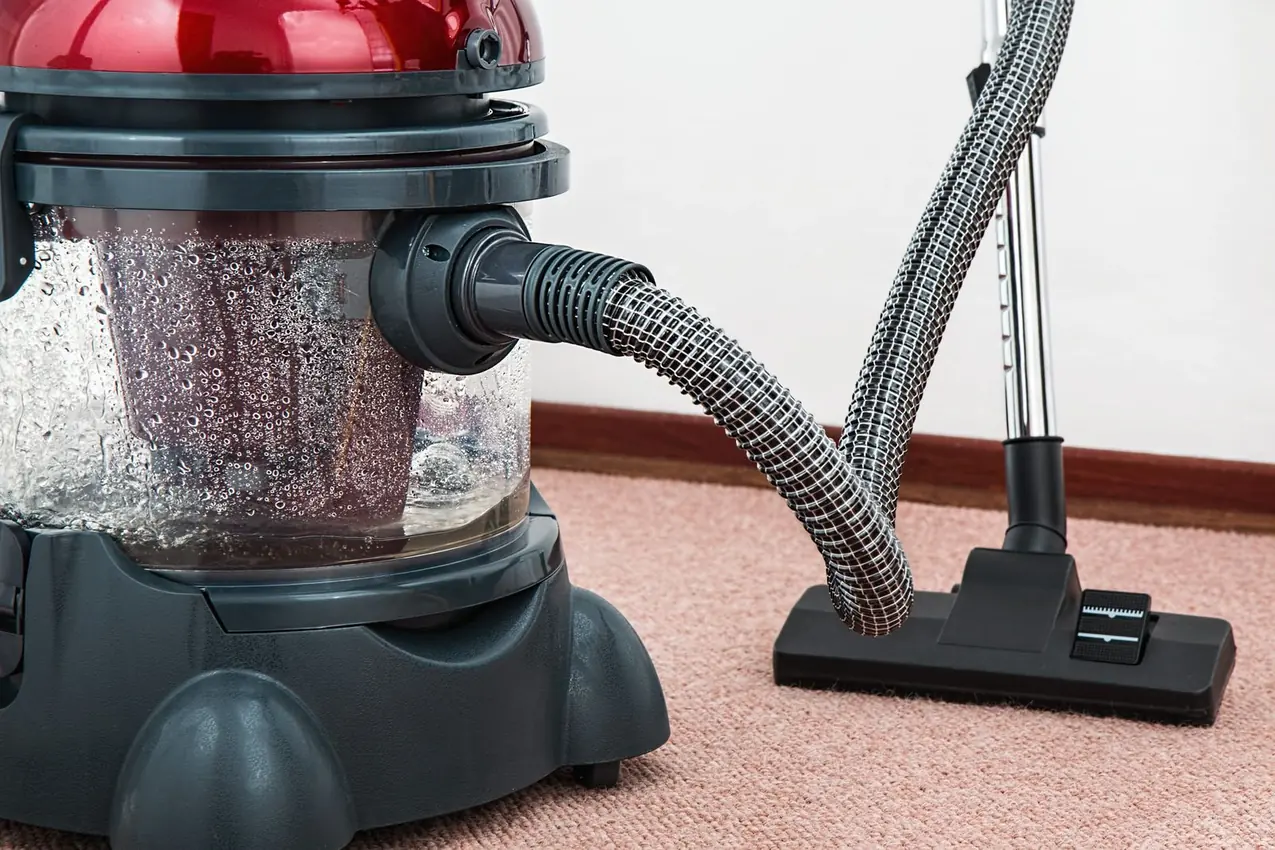
Remove standing or accessible trapped water from affected indoor areas before structural drying decisions.
Coordinate source control, moisture documentation, containment, drying and selective removal.
Use the source area and building layout to choose a smaller, more defensible access and repair approach.
The wet spot may be downstream from the failure. Each zone changes the likely sources and the way moisture can travel.
Concealed supplies, valves, plumbing chases and slow fixture leaks can wet a cavity before the surface changes.
Bathrooms, kitchens, laundry equipment, drains and roof paths can create similar staining from different origins.
Under-slab piping, appliance leaks and adjacent wet rooms may affect flooring, baseboards or the edge of a wall.
Sink, dishwasher, refrigerator and wall connections can remain hidden until odors, swelling or flooring damage develops.
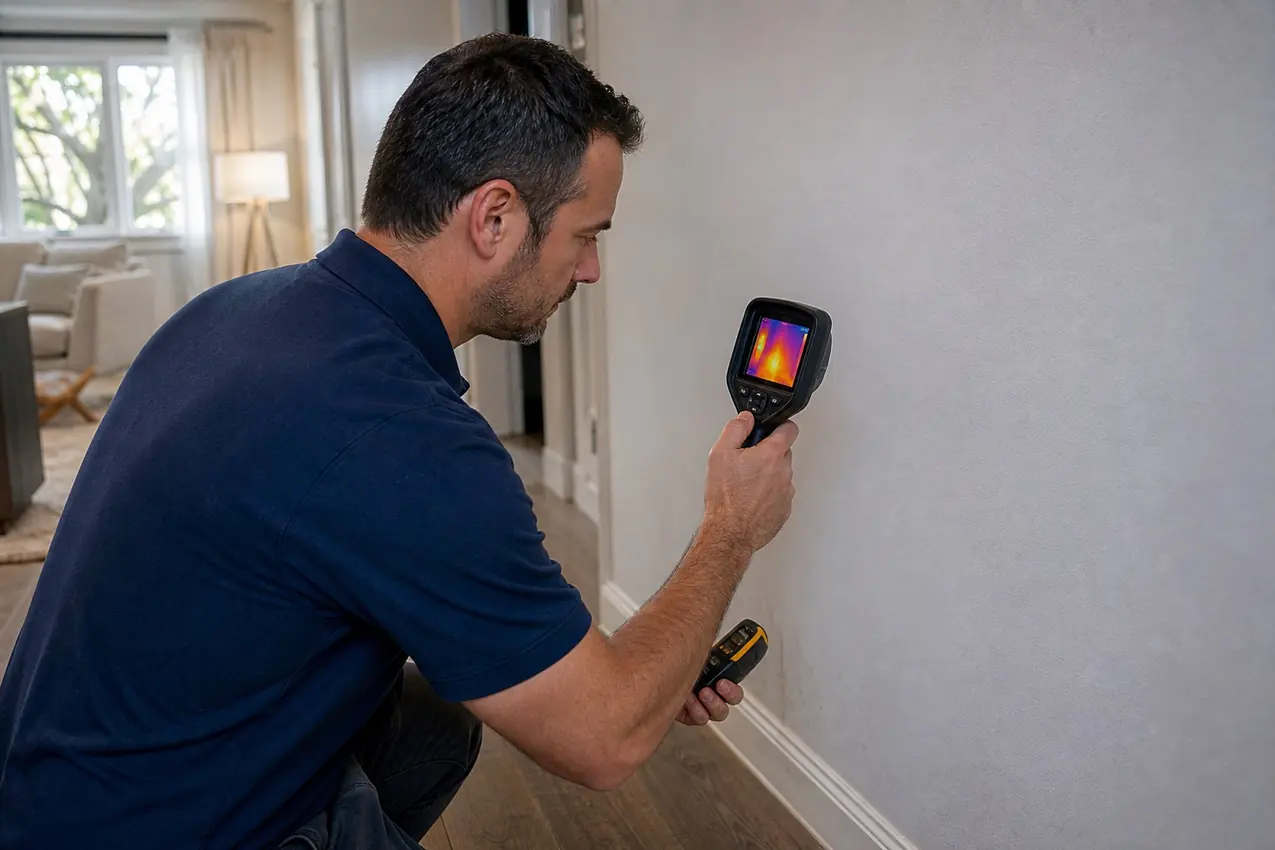
No single device replaces building knowledge. The test sequence is chosen around the symptom and the materials between the instrument and the suspected water.
Read affected and reference areas to outline the spread and a possible direction of travel.
Use temperature differences as a clue, then confirm suspicious patterns with other evidence.
Check whether water loss is continuous and whether an interior supply system can be isolated further.
Focus on the likely pipe zone after accessible fixtures and background building noise are considered.
Water damage mitigation in Studio City begins with source control, then follows the moisture—not the color of the stain. Materials can remain wet outside the visibly damaged area.
Isolate the responsible fixture or line when safe and define any immediate electrical or structural concern.
Check adjacent walls, floors, ceilings, cabinets and rooms to determine how far water moved.
Remove standing water and open only the areas needed for access, drainage or drying.
Use the material type and moisture readings to guide equipment placement and progress checks.
Once the source is repaired and materials are dry, reconstruction can follow a clearer, smaller scope.
Slab or crawlspace foundations, remodel history, multiple wet rooms and long hot-water runs shape the test plan.
Shared walls, stacked plumbing and association boundaries make source and affected-unit documentation especially important.
Water can pass between floors or units, so the investigation compares the wet area with plumbing and occupancy above.
Gravity and framing can carry water downhill or into a lower room far from the original fitting or fixture.
Wall systems, flooring and mechanical areas require careful separation of plumbing water and other moisture paths.
Older and newer pipe materials, abandoned lines and moved kitchens or bathrooms can complicate assumptions about routing.
Studio City remodels frequently join older plumbing to new kitchens, baths and additions..
Canyon homes, bungalows, modern rebuilds, condos and apartments require different assumptions about access, shared plumbing and the route between floors.
Transition fittings, roof and balcony intrusion, bathroom leaks and wet drywall are reasons to compare the whole moisture pattern before opening a surface.
The service is built around protecting the property while the problem is narrowed. We explain the evidence, distinguish what is confirmed from what is still possible, and relate the leak source to the materials that may need drying or repair.
Representative service situations—not individual customer endorsements or ratings. Each diagnosis starts with the timing, plumbing layout and affected materials.
Moisture is mapped across the wall and compared with plumbing and fixtures on the other side or floor above.
Hot-water use, meter movement, material readings and sound are considered before a slab line is blamed.
Connections, drains and the concealed route around the appliance are checked under the conditions that reproduce the symptom.
The source and the moisture footprint are documented separately so drying or selective removal follows the affected materials.
The inspection follows the evidence inside the property: meter behavior, accessible fixtures, plumbing layout, wall and ceiling symptoms, slab concerns and moisture in affected materials. The goal is to define a likely source area and a practical next step.
Yes. Water can follow joists, pipes, ducts, framing and sloped surfaces. Rooms, fixtures and plumbing above and beside the stain must be compared with the moisture pattern.
Continuous meter movement, pressure behavior, temperature patterns, sound and moisture at floor edges can support the diagnosis. Findings are considered together because one warm tile or isolated reading is not enough.
Moisture readings can help outline the affected materials and compare them with dry reference areas. This supports focused extraction, drying, monitoring and removal decisions.
Interior evidence below a roof, penetration or transition can be assessed and mapped. Weather timing and the moisture path help distinguish roof intrusion from plumbing or condensation.
The located source and access requirements determine the repair path. When repair or coordination is appropriate, the options should be explained before a larger opening is made.
Active water is controlled first. A moisture map then guides water removal, drying, containment and decisions about materials that cannot be dried in place.
An intermittent leak may stop when a fixture, appliance or weather condition changes. Document the stain and call if it is growing, recurring, soft, odorous or near electricity.
Water leak detection in Studio City is planned around the building, the symptom and the materials between the instrument and the suspected water. Interior leak detection in Studio City starts by separating active water loss from residual moisture left by an earlier event. The objective is a smaller repair area and a clearer explanation of what the evidence does—and does not—confirm.
The housing mix in Studio City includes older single-family construction, additions, slab-on-grade areas and remodeled kitchens or bathrooms. Warm floors and hot-weather temperature patterns can create false assumptions, so thermal observations are compared with moisture readings and water-meter behavior.
Long fixture runs, recirculation lines, laundry connections and piping below concrete are reviewed as a connected system rather than isolated clues. In Studio City, careful access planning protects flooring, cabinetry and occupied rooms while keeping the repair route practical. Property additions in Studio City may create changes in floor height, pipe routing and drainage that alter where a leak first becomes visible.
An intermittent laundry-area symptom may track a washer fill cycle, discharge hose, standpipe, nearby water heater or a connection that leaks only under demand. A dry comparison area of similar material is recorded before the suspicious zone is interpreted as active or residual moisture. A tissue check, visual observation and moisture comparison can confirm a small accessible seep before concealed methods are considered. A cycle-specific result gives the repair technician a reproducible condition instead of a general report that the area sometimes becomes wet. This is how water leak detection in Studio City stays focused on a defensible source area instead of treating every wet finish as the failure point.
Meter movement with fixtures off is useful evidence only after irrigation, softeners, ice makers and other automatic water users have been excluded. Thermal imaging is used to identify patterns worth checking, not as a stand-alone picture of a pipe behind the wall. Photos and measurement locations create a record that can be compared after source control or during structural drying. The property owner receives a sequence: control the source, confirm the repair, then address materials that remain wet. This is how water leak detection in Studio City stays focused on a defensible source area instead of treating every wet finish as the failure point.
Floor damage at a kitchen transition may reflect water traveling beneath cabinets from a dishwasher, refrigerator, sink connection or filtration line. Weather timing, attic or ceiling access and interior plumbing use are compared without collapsing roof entry and pipe leakage into one diagnosis. Thermal observations are checked against material moisture because temperature differences can exist without liquid water. Recommendations remain proportional to the evidence and avoid opening multiple finishes simply to search by trial and error. This is how water leak detection in Studio City stays focused on a defensible source area instead of treating every wet finish as the failure point.
Moisture inside a sink cabinet can originate at a stop valve, faucet supply, disposal, drain joint or appliance line, and a dry inspection must include each accessible connection. Room relationships are reviewed in plan and elevation, including bathrooms, kitchens, laundry equipment and water heaters above or beside the symptom. Accessible plumbing is retested after a suspected source is controlled to confirm that the symptom no longer reproduces. The repair location and the drying boundary may differ, so both are explained before materials are removed. This is how water leak detection in Studio City stays focused on a defensible source area instead of treating every wet finish as the failure point.
A refrigerator, dishwasher or filtration system can release small amounts of water that spread beneath cabinets before becoming visible in the occupied room. The least disruptive accessible test is chosen first, with more focused access reserved for uncertainty that instruments cannot resolve. Temperature and moisture patterns around the utility route are compared with normal equipment cycles and nearby dry materials. The repair location and the drying boundary may differ, so both are explained before materials are removed. This is how water leak detection in Studio City stays focused on a defensible source area instead of treating every wet finish as the failure point.
Materials can remain wet after a leak is stopped, so a single elevated reading does not by itself prove that water is still entering the structure. The first pass records the wet boundary and compares it with the room layout, plumbing fixtures and likely routes through framing. If the evidence conflicts, the conclusion remains conditional and the next discriminating test is identified instead of overstating certainty. If access is necessary, it is tied to the strongest agreement between layout, readings and controlled testing. This is how water leak detection in Studio City stays focused on a defensible source area instead of treating every wet finish as the failure point.
A wall that becomes wet after rain still requires separation of roof or envelope entry from plumbing and residual moisture before the responsible system is named. A complete appliance cycle is observed when practical because a leak may occur during fill, agitation, drain or only at a particular hose position. Pressure behavior can support isolation of a supply system, but it must be interpreted with valve condition, pipe volume and the building layout. The property owner receives a sequence: control the source, confirm the repair, then address materials that remain wet. This is how water leak detection in Studio City stays focused on a defensible source area instead of treating every wet finish as the failure point.
Swollen trim or damp flooring near a wall may be the end of a water path rather than the beginning, especially when water has moved under a finished surface. Cabinet bases, flooring edges and the room on the opposite side are compared to determine which side of the assembly became wet first. Rain-related observations are compared with controlled interior water use and drying trends so two unrelated moisture sources are not combined. A negative test is documented too, because ruling out a fixture or appliance prevents unnecessary work in the wrong room. This is how water leak detection in Studio City stays focused on a defensible source area instead of treating every wet finish as the failure point.
Damage on a lower level should be compared with every wet room and plumbing run above or beside it, not only the room directly overhead. Water-meter behavior is observed under controlled conditions before it is used to support a concealed supply-line conclusion. A tissue check, visual observation and moisture comparison can confirm a small accessible seep before concealed methods are considered. Where moisture is already declining, monitoring may be more appropriate than assuming a continuing pressurized leak. This is how water leak detection in Studio City stays focused on a defensible source area instead of treating every wet finish as the failure point.
A useful conclusion for a Studio City property separates the probable source, the documented moisture boundary and the practical access or mitigation decision. It should also state any remaining uncertainty. That prevents an instrument reading from being presented as more precise than the building conditions allow and gives the plumber, property manager or restoration team a defensible next step.
Before the visit, keep the affected area accessible, avoid painting over the symptom, photograph active changes and stop using a suspected fixture when it is safe. Active water near electrical equipment, a sagging ceiling or rapidly spreading damage requires immediate safety precautions.
The findings should connect the likely source with a reasonable access area, plumbing repair and any drying or selective material removal required by the documented moisture footprint.
Dry reference readings, repeat measurements, meter observation and usage testing help separate ongoing water loss from material that remains damp after an earlier event.
No. Accessible plumbing, meter behavior, moisture comparison, thermal observations and targeted listening may narrow the area first. Some access can still be necessary, but it should be based on multiple clues.
Local pages cover indoor wall, ceiling, plumbing and slab leaks, moisture detection and water-damage mitigation with property context for each community.
Tell us which room is affected and what changed.